
Jakarta, opinca.sch.id – The world of Foreign Exchange plays a major role in the global financial system by enabling the conversion of one currency into another. Whether for international trade, travel, investment, or cross-border business operations, foreign exchange markets support economic activity across countries. For global investors, understanding the fundamentals of FX markets is important because currency values can influence returns, risk exposure, and portfolio strategy.
Foreign exchange, often called FX or forex, may appear complex at first because it involves international economics, interest rates, market sentiment, and geopolitical developments. Still, the basic concept is quite simple. One currency is exchanged for another, and the value between them changes according to market conditions. Those changes create both opportunity and risk for investors.
What foreign exchange means
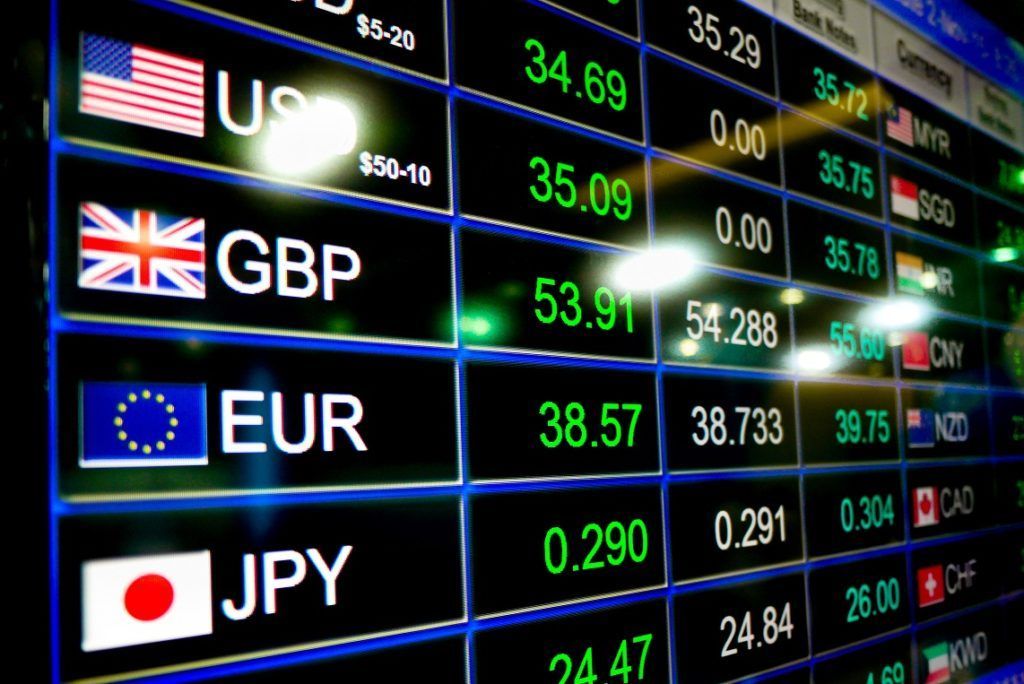
Foreign Exchange refers to the buying and selling of currencies. In FX markets, currencies are traded in pairs, such as euro against US dollar or Japanese yen against British pound. The exchange rate shows how much of one currency is needed to purchase another.
For example, if an investor holds assets denominated in a foreign currency, changes in the exchange rate can increase or reduce the value of that investment when converted back into the investor’s home currency. That is why FX matters not only to traders, but also to anyone involved in international investing.
Why FX markets matter to global investors
For global investors, Foreign Exchange is important because currency movements affect investment performance. An asset may perform well in its local market, but if the local currency weakens significantly, the investor’s final return may be reduced.
FX markets also matter because they reflect wider economic conditions. Currency values often respond to interest rate decisions, inflation trends, political developments, central bank policy, and global risk sentiment. Investors who understand these forces can make better decisions about international exposure and currency risk.
Key features of the FX market
The Foreign Exchange market has several distinct characteristics that make it different from many other financial markets.
It is global and decentralized
FX trading takes place across major financial centers around the world rather than on one central exchange.
It operates nearly twenty four hours a day
Because different markets open in different time zones, currency trading continues through much of the global business day.
It is highly liquid
Major currency pairs are traded in large volumes, making it easier to enter or exit positions.
Prices respond quickly to news
Economic reports, policy announcements, and political events can move currency values rapidly.
These features make FX markets dynamic, but they also require careful attention from investors.
Factors that influence currency values
Several forces affect Foreign Exchange rates, and understanding them helps investors interpret market movements more effectively.
- Interest rate changes
- Inflation expectations
- Economic growth performance
- Central bank policy
- Political stability
- Trade balances
- Global market confidence
When one country appears economically stronger or offers higher returns, its currency may become more attractive to investors. On the other hand, uncertainty or weak economic signals can reduce confidence and weaken demand.
Managing FX risk in global investing
A major concern in Foreign Exchange for investors is currency risk. This is the possibility that exchange rate changes will negatively affect the value of international assets or income.
Common ways investors manage FX exposure include:
- Diversifying across currencies and regions
- Monitoring central bank and macroeconomic trends
- Using hedging tools where appropriate
- Matching investment horizon with risk tolerance
- Avoiding decisions based only on short-term market noise
Not every investor needs to trade currencies directly, but every global investor benefits from understanding how FX movements may affect results.
Final thoughts
Foreign Exchange is a fundamental part of international finance and an essential topic for global investors. FX markets influence trade, capital flows, and the real value of cross-border investments. By understanding how currencies are traded, what drives exchange rates, and how FX risk can be managed, investors gain a stronger foundation for international decision making.
In global markets, currency may not always take center stage, but it quietly affects almost everything around it. That makes foreign exchange less of a side topic and more of a financial language investors ignore at their own expense.
Explore our “”Financial“” category for more insightful content!
Don't forget to check out our previous article: Securitization: Transforming Assets into Tradable Securities for Liquidity
