Why Cash Conversion Matters in Business
In my experience, Cash Conversion matters because businesses do not run on profit figures alone. They run on available cash. A company may record strong sales, but if customers pay slowly, inventory sits too long, or suppliers must be paid quickly, the business can still face pressure.
This is why the financial cycle deserves close attention. Cash conversion affects liquidity, planning, purchasing ability, and short-term stability. When the cycle is too slow, a business may need to borrow more, delay payments, or reduce operational flexibility.
There is also an important connection to financial Knowledge here. Understanding cash conversion helps business owners move beyond surface-level performance and focus on how money actually moves through the company.
What Cash Conversion Really Means
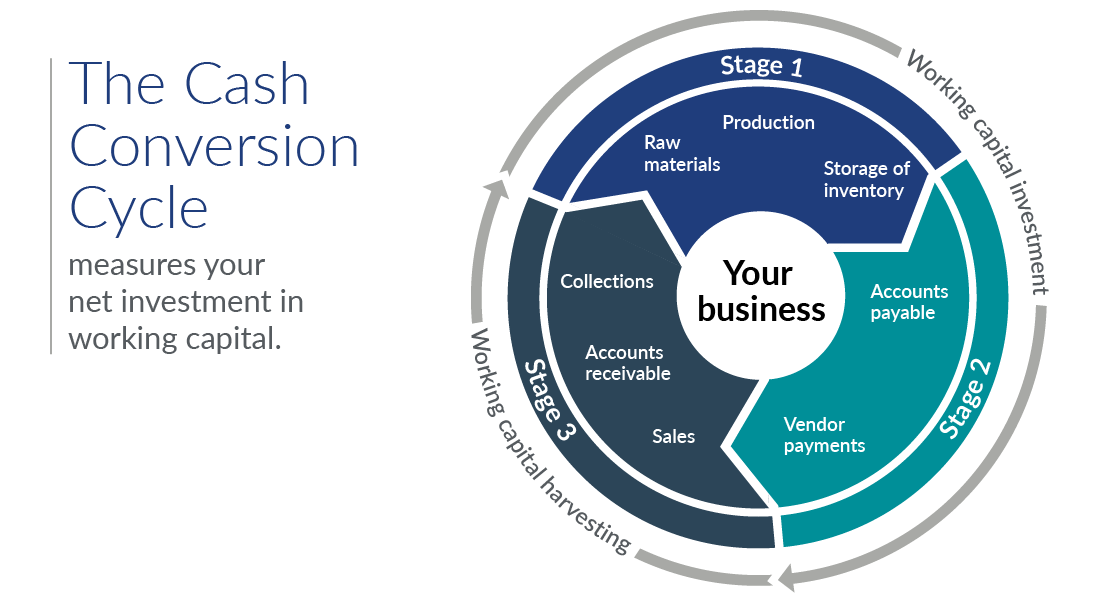
The way I understand Cash Conversion is simple: it is about how long cash stays tied up before returning to the business. The faster that return happens, the better the company can support its own operations without unnecessary strain.
This usually involves three main areas:
- How long inventory remains unsold
- How long customers take to pay
- How long the business takes to pay suppliers
Together, these elements shape the financial rhythm of the business. If inventory moves slowly and receivables take too long, cash gets trapped in the cycle. If those areas improve, liquidity often improves as well.
Common Problems That Slow Cash Conversion
I have noticed that several operational habits can weaken Cash Conversion without business owners fully realizing it.
Slow inventory turnover
If products remain in storage too long, cash stays tied up in unsold stock.
Late customer payments
A business may make sales, but delayed collections can create pressure on working capital.
Weak billing systems
Invoices sent late or unclearly often slow down payment even more.
Poor coordination between sales and finance
If teams are not aligned, the business may grow revenue while creating cash flow strain at the same time.
Practical Ways to Improve Cash Conversion
I think improving Cash Conversion often comes down to making the business cycle more disciplined and efficient.
Manage inventory more carefully
Reducing excess stock and improving forecasting can help cash move faster.
Speed up invoicing
Sending accurate invoices immediately after delivery or service completion can reduce payment delays.
Strengthen collections
Clear payment terms and regular follow-up help improve receivables.
Review supplier terms
Negotiating better payment schedules can help balance outgoing cash with incoming cash.
Below is a simple overview of the key areas involved:
| Cash Conversion Area |
What Affects It |
Improvement Approach |
| Inventory |
Slow-moving stock |
Better forecasting and stock control |
| Receivables |
Late customer payments |
Faster invoicing and stronger follow-up |
| Payables |
Short supplier deadlines |
Better payment term negotiation |
This is why cash conversion is so valuable as a business measure. It connects operations directly to liquidity.
Why Faster Cash Conversion Helps Growth
I believe faster Cash Conversion supports growth because it gives businesses more freedom. When cash returns quickly, a company can restock, pay expenses, invest in operations, and respond to opportunities without as much financial pressure.
This matters especially for growing businesses, where sales expansion can sometimes increase cash stress rather than reduce it. A strong cash conversion cycle helps make growth more sustainable.
Final Thoughts
For me, Cash Conversion is one of the most practical ways to understand the real financial health of a business. It goes beyond revenue and profit to focus on how quickly money moves through operations and returns as usable cash. That insight is essential for stability, planning, and long-term growth.
That is why improving cash conversion should be a serious priority for business owners. When the financial cycle becomes faster and more efficient, the business gains stronger control over its own momentum. And in business, momentum backed by cash is far more useful than profit that remains stuck on paper.
Explore our “Financial” category for more insightful content!
Don't forget to check out our previous article: Side Hustle: Boosting Your Financial Portfolio with Extra Earnings