Identity theft is a growing concern in today’s digital age, where personal information can be easily accessed and exploited by scammers. Protecting your financial information is crucial to safeguarding your identity and preventing fraudulent activities. This guide provides essential insights into identity theft, practical tips for protection, and steps to take if you become a victim.
1. Understanding Identity Theft
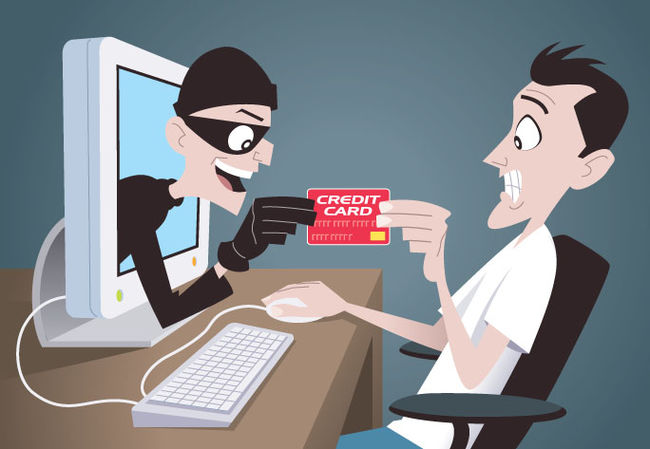
Identity theft happens when someone illegally acquires and uses your personal information—such as Social Security numbers, bank account details, or credit card data—to commit fraud or other unlawful acts. Below are some common forms of identity theft:
– Financial Identity Theft
- Credit Card Fraud: Scammers may use stolen credit card information to make unauthorized purchases.
- Bank Fraud: Unauthorized access to bank accounts can lead to significant financial losses.
– Medical Identity Theft
- Health Insurance Fraud: Thieves may use your health insurance information to receive medical services or medications, leaving you with the bills.
– Tax Identity Theft
- Tax Refund Fraud: Scammers can file false tax returns using your Social Security number to claim refunds.
2. Recognizing the Signs of Identity Theft
Being aware of the warning signs of identity theft can help you act quickly to protect your finances. Watch for these indicators:
- Unexplained Charges: Unfamiliar transactions on your bank or credit card statements.
- Credit Report Inquiries: Unexpected inquiries on your credit report that you did not initiate.
- Missing Mail: Failure to receive bills or other important documents may indicate that someone has changed your address.
- Denial of Credit: Being denied credit or loans unexpectedly could signal that someone is using your identity.
3. Tips for Protecting Your Financial Information
To safeguard your financial information from identity theft, implement the following strategies:
Choose strong passwords
- Create Complex Passwords: Use a mix of letters, numbers, and special characters to create strong passwords. Avoid including easily guessable information like birthdays or names.
- Password Managers: Consider using a password manager to store and generate secure passwords for your accounts.
Enable Two-Factor Authentication
- Extra Layer of Security: Activate two-factor authentication (2FA) wherever possible. This adds an additional step to the login process, requiring a second form of verification, such as a text message or authentication app.
Monitor Your Financial Accounts
- Regular Checkups: Frequently review your bank and credit card statements for any unauthorized transactions. Report any suspicious activity immediately.
- Credit Monitoring Services: Consider enrolling in a credit monitoring service that alerts you to changes in your credit report.
Secure Personal Information
- Shred Documents: Shred any documents containing personal information before disposing of them, including bank statements and credit card offers.
- Limit Sharing: Be cautious about sharing personal information online and over the phone. Verify the identity of anyone requesting sensitive information.
4. Steps to Take if You Become a Victim
If you suspect that you have become a victim of identity theft, take the following steps immediately:
– Place Fraud Alert
- Call Credit Bureaus: Reach out to one of the three major credit bureaus—Contact Equifax, Experian, or TransUnion and request that they place a fraud alert on your credit report. This step helps protect you by making it more difficult for identity thieves to open accounts using your information.
– Review Your Credit Report
- Obtain Free Reports: Request a free copy of your credit report from AnnualCreditReport.com. Review it for any unauthorized accounts or inquiries.
– Report Identity Theft
- File a Report: Report the theft to the Federal Trade Commission (FTC) at IdentityTheft.gov. They provide a recovery plan and resources to help you navigate the process.
- Notify Law Enforcement: Consider filing a police report, especially if you know the identity of the thief or if your information was used to commit a crime.
– Contact Financial Institutions
- Notify Banks and Creditors: Inform your banks and creditors about the identity theft. They can help you freeze accounts, dispute unauthorized charges, and monitor for further fraudulent activity.
5. Conclusion
In conclusion, identity theft is a serious threat that can have significant consequences for your financial well-being. By understanding the nature of identity theft, recognizing the signs, and implementing protective measures, you can safeguard your financial information from scammers. If you become a victim, swift action is crucial in mitigating the damage and restoring your identity. Stay informed, vigilant, and proactive in protecting your personal information, and you can navigate the digital landscape with confidence. Remember, prevention is always better than cure when it comes to identity theft.