Why Endowment Funds Matter
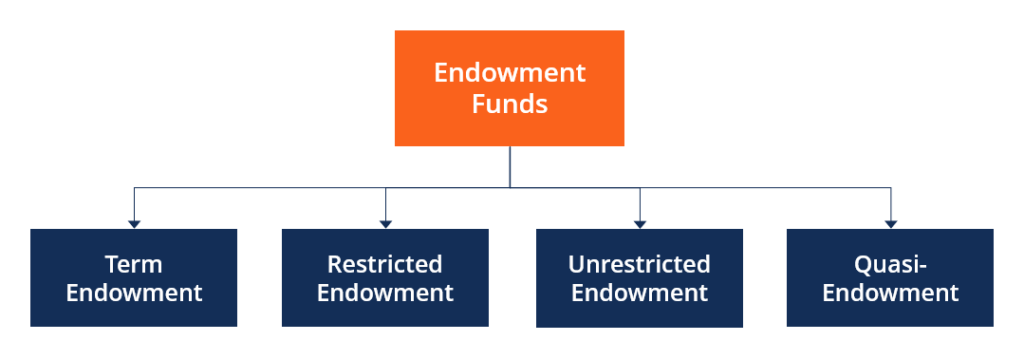
In my experience, Endowment Funds matter because they help institutions balance present demands with future security. Rather than relying entirely on annual revenue, donations, or uncertain funding cycles, organizations with endowments can build a more stable financial foundation. The income generated from these invested assets can support scholarships, research, operations, facilities, or other strategic priorities over time.
This long-term approach is especially valuable because institutions often need to think in decades, not just budget years. A well-managed endowment can help them weather economic uncertainty, invest in innovation, and remain aligned with their mission even when external conditions change.
There is also a strong connection to financial Knowledge here. Understanding how endowment funds work requires awareness of investment strategy, spending policy, risk management, and institutional priorities.
My Perspective on Long-Term Institutional Investing
What changed my understanding of Endowment Funds was realizing that their true value lies in disciplined stewardship. At first, an endowment may look like a large reserve that simply exists to generate returns. But over time, I came to see that it is really a balancing act. Institutions must preserve the long-term value of the fund while also using a portion of its returns to support current needs.
That tension is what makes endowment management so important. It is not just about growing capital. It is about making careful decisions that protect the institution’s future while advancing its mission today. Good endowment strategy requires patience, accountability, and a long view.
Key Functions of Endowment Funds
I think Endowment Funds become easier to understand when their main functions are made clear.
Financial stability
Endowments create a more dependable source of support beyond annual fundraising or tuition income.
Mission support
They can fund scholarships, research, community programs, faculty positions, or capital projects.
Long-term planning
Institutions with endowments often have greater flexibility to plan strategically.
Risk buffering
Investment income can help reduce vulnerability during periods of financial uncertainty.
Common Challenges in Managing Endowment Funds
I have noticed that several issues can complicate the effective use of Endowment Funds.
Market volatility
Investment values can fluctuate, affecting returns and spending decisions.
Spending discipline
Institutions must avoid drawing too much from the fund in the short term.
Balancing growth and access
Preserving capital while meeting current needs requires careful judgment.
Governance and oversight
Clear policies and responsible management are essential to maintain trust and effectiveness.
Practical Principles for Strong Endowment Management
I believe Endowment Funds are most effective when institutions manage them with a disciplined and mission-focused approach.
Maintain a long-term investment strategy
Short-term market changes should not override long-range goals.
Use clear spending policies
A structured withdrawal approach helps protect the fund’s future value.
Align investments with institutional priorities
Financial strategy should support the broader mission.
Strengthen governance
Boards and financial leaders should ensure accountability and transparency.
Review performance regularly
Ongoing evaluation helps maintain balance between growth, risk, and spending.
Below is a simple overview of the main elements:
| Endowment Element |
Why It Matters |
Institutional Example |
| Investment strategy |
Supports long-term growth |
Diversifying assets for stable returns |
| Spending policy |
Protects sustainability |
Limiting annual withdrawals to a set rate |
| Mission alignment |
Connects finance to purpose |
Funding scholarships and academic programs |
| Governance |
Ensures accountability |
Board oversight of endowment decisions |
These elements show why endowment funds are not passive assets, but active tools of institutional strategy.
Why Endowment Funds Matter Beyond Finance
I think Endowment Funds matter because they reflect an institution’s ability to think beyond immediate pressures and act with long-term responsibility. They are not only financial instruments. They are also expressions of trust, stewardship, and commitment to future generations.
This is especially important for institutions whose missions depend on continuity. Whether supporting education, public service, research, or philanthropy, endowment funds help ensure that important work can continue with greater strength and stability. In that way, they represent more than financial growth. They represent institutional endurance.
Final Thoughts
For me, Endowment Funds are one of the clearest examples of how disciplined investing can support long-term institutional growth. They provide stability, strengthen planning, and help organizations sustain their mission across changing conditions and future generations.
That is why they deserve careful attention. Successful endowment management is not simply about earning returns. It is about preserving opportunity, supporting purpose, and building the financial resilience that institutions need to thrive over time.
Explore our “Financial” category for more insightful content!
Don't forget to check out our previous article: Student Loans: Conquering Educational Debt with Financial Savvy