The blue economy describes a model where we tap into ocean resources for growth, livelihoods, and employment in ways that keep ocean ecosystems healthy. As the global population continues to grow and the demand for resources increases, the blue economy presents a unique opportunity to harness ocean-related financial opportunities in a way that supports sustainability and environmental stewardship. This article explores the concept of the blue economy, its potential for investment, and the importance of fostering a sustainable future.
Understanding the Blue Economy
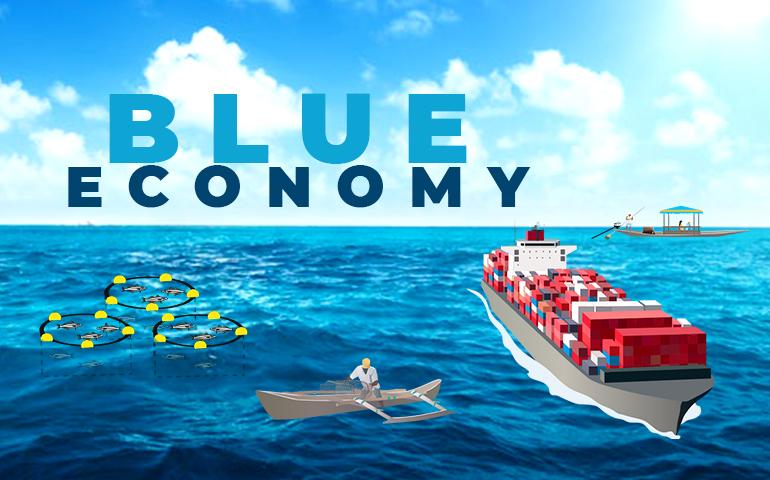
The blue economy encompasses various sectors that rely on the ocean and its resources, including:
- Fisheries and Aquaculture: Sustainable fishing practices and responsible aquaculture can provide food security and livelihoods while minimizing environmental impacts.
- Marine Renewable Energy: Harnessing energy from ocean waves, tides, and currents offers a clean and renewable energy source that can help reduce reliance on fossil fuels.
- Coastal Tourism: Promoting eco-friendly tourism in coastal areas can generate revenue while encouraging conservation efforts and protecting marine environments.
- Marine Biotechnology: Research and development in marine biotechnology can lead to innovative products and solutions in pharmaceuticals, cosmetics, and food industries.
The Financial Opportunities in the Blue Economy
Investing in the blue economy offers significant financial opportunities for individuals, businesses, and governments. Here are some key areas to consider:
1. Sustainable Fisheries and Aquaculture
- Investment in Technology: Innovative technologies, such as fish farming systems and sustainable fishing gear, can enhance efficiency and reduce environmental impacts. Investing in these technologies can lead to higher yields and better resource management.
- Certification Programs: Supporting fisheries that adhere to sustainable practices through certification programs (e.g., MSC, ASC) can attract consumers who prioritize sustainability, leading to increased market demand and profitability.
2. Marine Renewable Energy
- Growth Potential: The marine renewable energy sector is rapidly expanding, with significant investments in offshore wind farms, wave energy converters, and tidal energy systems. Investing in these technologies can yield substantial returns as the world shifts towards clean energy sources.
- Government Incentives: Many governments offer incentives and subsidies for renewable energy projects, making investments in marine energy more attractive and financially viable.
3. Eco-Friendly Coastal Tourism
- Sustainable Tourism Initiatives: Investing in eco-friendly tourism ventures, such as sustainable resorts and guided eco-tours, can attract environmentally conscious travelers. This sector not only generates revenue but also promotes conservation efforts and supports local communities.
- Community Engagement: Collaborating with local communities in tourism initiatives ensures that economic benefits are shared and that cultural heritage and natural resources are preserved.
4. Marine Biotechnology
- Research and Development: Investing in marine biotechnology research can lead to breakthroughs in pharmaceuticals, nutrition, and environmental solutions. Companies focusing on marine-derived products can tap into lucrative markets while contributing to sustainable practices.
- Partnerships and Collaborations: Collaborating with research institutions and universities can foster innovation and accelerate the development of marine biotechnology applications.
The Importance of Sustainability in the Blue Economy
While the blue economy presents numerous financial opportunities, it is essential to prioritize sustainability to ensure the long-term health of ocean ecosystems. Here are some reasons why sustainability is critical:
- Ecosystem Health: Healthy ocean ecosystems are vital for biodiversity, climate regulation, and the overall health of the planet. Sustainable practices help protect marine habitats and species, ensuring the resilience of these ecosystems.
- Economic Viability: Unsustainable practices can lead to the depletion of resources, negatively impacting industries reliant on healthy oceans. By investing in sustainable practices, businesses can secure their long-term viability and profitability.
- Social Responsibility: The blue economy has the potential to improve livelihoods and promote social equity. By prioritizing sustainability, investments can create jobs and support communities while respecting their rights and cultural heritage.
Challenges and Considerations
While the blue economy offers significant potential, several challenges must be addressed:
- Regulatory Frameworks: Effective regulations and policies are essential to promote sustainable practices and prevent overexploitation of marine resources. Governments must work collaboratively with stakeholders to develop and enforce these frameworks.
- Research and Innovation: Continued investment in research and innovation is necessary to develop sustainable technologies and practices. Collaboration between the public and private sectors, as well as academia, is crucial for driving progress.
- Public Awareness and Engagement: Raising awareness about the importance of the blue economy and sustainable practices is vital for fostering public support and encouraging responsible consumer behavior.
Conclusion
In conclusion, the blue economy represents a https://www.kimjongiliathemovie.com/learnmore.html promising avenue for investing in ocean-related financial opportunities while promoting sustainability and environmental stewardship. By focusing on sustainable fisheries, marine renewable energy, eco-friendly coastal tourism, and marine biotechnology, individuals and businesses can contribute to a healthier ocean and a more sustainable future.
As we navigate the challenges of a growing global population and the impacts of climate change, embracing the principles of the blue economy will be essential for ensuring the long-term health of our oceans and the communities that depend on them. By investing wisely in ocean resources and prioritizing sustainability, we can create a thriving blue economy that benefits both people and the planet.