Developed markets represent the backbone of the global financial system, characterized by their stability, liquidity, and mature economic structures. Investors often gravitate towards these markets due to the reliability and trustworthiness associated with established financial institutions and regulatory frameworks. This article explores the features of developed markets, the reasons for trusting major players within these systems, and the implications for investors.
Characteristics of Developed Markets
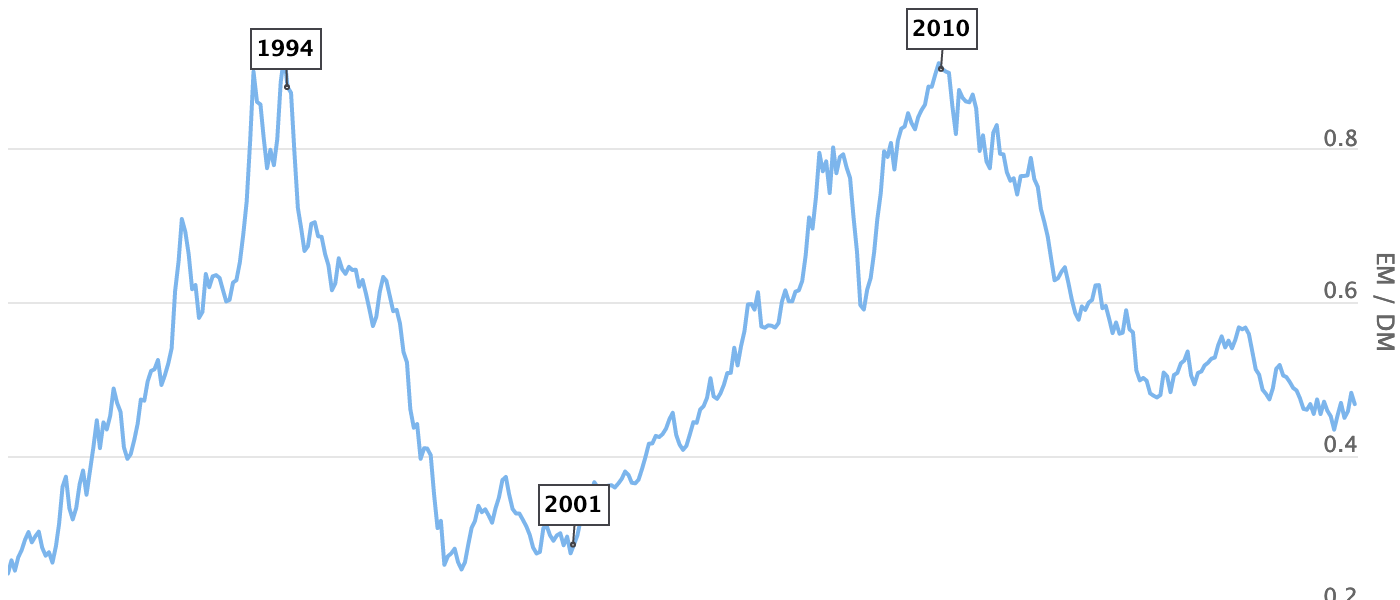
Developed markets are typically defined by several key characteristics:
1. Economic Stability
- Robust Economies: Developed markets, such as the United States, Canada, Japan, and most Western European countries, boast strong and stable economies with high GDP per capita. This economic strength contributes to a predictable business environment.
- Low Inflation Rates: These markets generally experience low and stable inflation rates, which fosters consumer confidence and encourages investment.
2. Advanced Financial Systems
- Sophisticated Financial Instruments: Developed markets offer a wide range of financial products, including stocks, bonds, derivatives, and mutual funds. This diversity allows investors to tailor their portfolios to meet specific risk and return objectives.
- Well-Established Regulatory Frameworks: Regulatory bodies, such as the Securities and Exchange Commission (SEC) in the U.S. and the Financial Conduct Authority (FCA) in the U.K., ensure transparency and fairness in financial markets, protecting investors from fraud and malpractice.
3. High Liquidity
- Active Trading Environments: Developed markets are characterized by high trading volumes and liquidity, allowing investors to buy and sell assets with minimal price impact. This liquidity is crucial for both institutional and retail investors.
- Access to Capital: Companies in developed markets have better access to capital through various financing options, which supports growth and innovation.
Why Trust the Big Players in Developed Markets
Trusting major players in developed markets is rooted in several factors:
1. Established Track Records
- Proven Performance: Large financial institutions, such as JPMorgan Chase, Goldman Sachs, and HSBC, have established reputations built on decades, if not centuries, of performance. Their track records provide confidence to investors regarding their stability and reliability.
- Crisis Resilience: Many big players have successfully navigated financial crises, such as the 2008 global financial crisis, demonstrating their ability to withstand economic shocks and maintain operational integrity.
2. Strong Regulatory Oversight
- Compliance and Accountability: Major financial institutions in developed markets operate under stringent regulatory frameworks that enforce compliance, transparency, and accountability. This oversight reduces the risk of unethical practices and enhances investor confidence.
- Consumer Protection: Regulatory bodies implement measures to protect investors and consumers, ensuring that financial institutions adhere to fair practices and maintain adequate capital reserves.
3. Access to Research and Resources
- In-Depth Analysis: Major players often have access to extensive research resources, enabling them to make informed decisions based on comprehensive market analyses. This access helps mitigate risks and identify opportunities for growth.
- Investment in Technology: Large financial institutions invest heavily in technology and innovation, enhancing their capabilities in risk management, trading, and customer service. This technological edge can lead to better investment outcomes.
Implications for Investors
Investing in developed markets and trusting major players has several implications:
1. Portfolio Diversification
- Risk Mitigation: Including assets from developed markets in an investment portfolio can help diversify risk. The stability and liquidity of these markets can offset volatility from emerging markets or less stable economies.
- Global Exposure: Investing in developed markets allows investors to gain exposure to global economic trends and opportunities, enhancing potential returns.
2. Long-Term Growth Potential
- Steady Returns: While developed markets may not exhibit the explosive growth potential of emerging markets, they offer steady and reliable returns over the long term. This stability is appealing for conservative investors seeking to preserve capital.
- Income Generation: Developed markets often provide opportunities for income generation through dividends and interest payments, making them attractive for income-focused investors.
Conclusion
In conclusion, developed markets are characterized by stability, liquidity, and mature financial systems that foster investor confidence. Trusting the big players within these markets is supported by their established track records, strong regulatory oversight, and access to valuable resources.
For investors, engaging with developed markets offers the potential for portfolio diversification, steady returns, and long-term growth. As the global financial landscape continues to evolve, the reliability and strength of developed markets will remain a cornerstone for prudent investment strategies, making them a preferred choice for both individual and institutional investors alike.