In an increasingly digital world, phishing scams have become a prevalent threat, targeting individuals and organizations alike. These deceptive schemes aim to steal sensitive information, such as passwords, credit card numbers, and personal identification details, often resulting in significant financial loss and identity theft. Understanding how to recognize and protect against phishing scams is crucial for safeguarding your digital life. This article explores the nature of phishing scams, common tactics used by scammers, and effective strategies to beat the tricksters.
1. What are Phishing Scams?
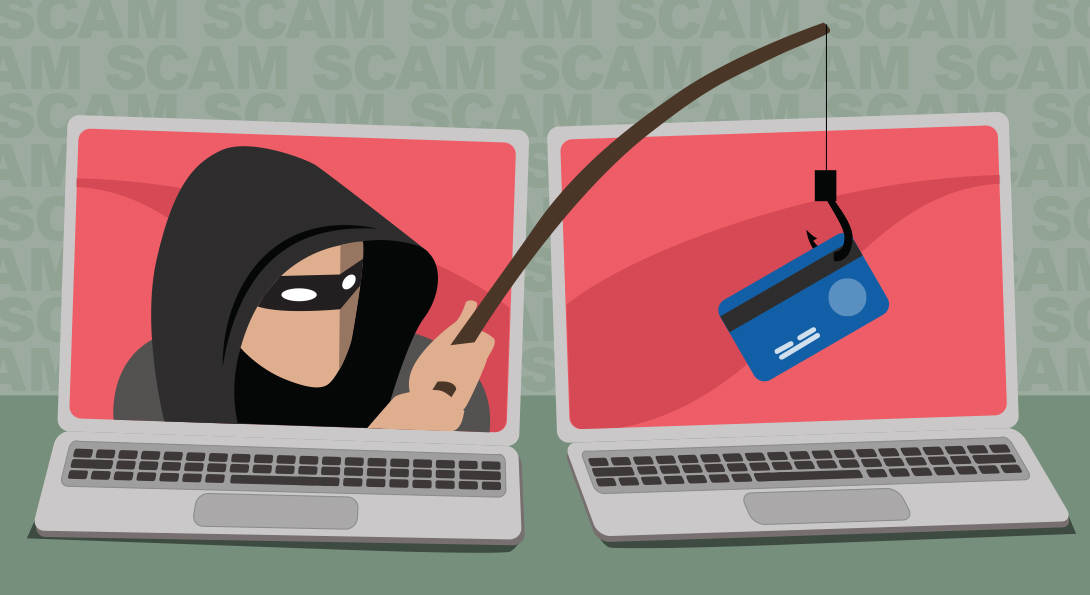
Phishing scams involve fraudsters posing as reputable organizations in electronic messages to steal confidential data. They can appear in a variety of forms, such as:
– Email Phishing
- Fake Emails: Fraudsters disguise their emails to look like they come from trusted organizations—banks, online shops, or government bodies—and include urgent requests that try to lure you into clicking a link or sharing your personal details.
– Spear Phishing
- Targeted Attacks: Unlike broad-based phishing schemes, spear phishing zeroes in on particular individuals or organizations. Attackers research their targets’ personal details to craft highly believable, personalized messages.
– SMS Phishing (Smishing)
- Text Message Scams: Smishing involves sending fraudulent text messages that prompt recipients to click on links or provide personal information. These messages often claim to be from banks or service providers.
– Voice Phishing (Vishing)
- Phone Calls: Vishing scams involve phone calls from scammers pretending to be representatives of legitimate organizations. They may use social engineering tactics to extract sensitive information.
2. Common Tactics Used in Phishing Scams
Phishing scams employ various tactics to deceive victims. Understanding these tactics can help you recognize potential threats:
– Urgency and Fear
- Creating Panic: Scammers often create a sense of urgency, claiming that immediate action is required to avoid negative consequences. For example, they may say your account will be suspended unless you verify your information.
– Spoofed Email Addresses and Links
- Imitating Legitimate Sources: Scammers may use email addresses that closely resemble legitimate ones, often with minor variations. Hovering over links can reveal deceptive URLs that lead to fraudulent websites.
– Unsolicited Attachments
- Malicious Files: Phishing emails may include attachments that contain malware or viruses. Opening these files can compromise your device and lead to data theft.
– Too Good to Be True Offers
- Fake Promotions: Scammers may lure victims with offers that seem too good to be true, such as winning a lottery or receiving a large sum of money. These offers often require personal information to claim the prize.
3. Recognizing Phishing Scams
To protect yourself from phishing scams, it’s essential to recognize the signs. Here are some key indicators:
– Poor Grammar and Spelling
- Red Flags: Many phishing emails contain grammatical errors, awkward phrasing, or misspellings. Legitimate organizations typically proofread their communications.
– Generic Greetings
- Lack of Personalization: Phishing emails often use generic greetings like “Dear Customer” instead of addressing you by name. Legitimate companies usually personalize their messages.
– Suspicious Links and Attachments
- Caution with Clicks: Be wary of links or attachments in unsolicited emails. Always hover over links to check the URL before clicking. If it looks suspicious, do not click.
– Requests for Personal Information
- Avoid Sharing Sensitive Data: Legitimate organizations will never ask for sensitive information via email or text. If you receive such a request, contact the organization directly using verified contact information.
4. Strategies to Beat Phishing Scams
Implementing effective strategies can help you protect yourself from phishing scams:
– Verify Sources
- Contact Directly: If you receive a suspicious email or message, do not respond directly. Instead, contact the organization using official channels to verify the request.
– Use Multi-Factor Authentication (MFA)
- Extra Layer of Security: Whenever possible, turn on MFA for your accounts. Adding this extra security step helps prevent unauthorized access even if someone gets hold of your password.
– Keep Software Updated
- Regular Updates: Ensure that your operating system, antivirus software, and applications are regularly updated. This helps protect against known vulnerabilities that scammers may exploit.
– Educate Yourself and Others
- Stay Informed: Regularly educate yourself about the latest phishing tactics and scams. Share this knowledge with friends and family to help them recognize and avoid potential threats.
5. Reporting Phishing Scams
If you encounter a phishing scam, it’s essential to report it to help prevent others from falling victim:
– Report to Authorities
- Government Agencies: In the U.S., report phishing emails to the Federal Trade Commission (FTC) at ReportFraud.ftc.gov and the Anti-Phishing Working Group at [email protected].
– Notify the Organization
- Alert Legitimate Companies: If a phishing attempt impersonates a specific company, notify them so they can take action to protect their customers.
6. Conclusion
In conclusion, phishing scams represent a significant threat in today’s digital landscape, but by understanding their tactics and recognizing the signs, you can protect yourself and your sensitive information. By implementing proactive strategies, such as verifying sources, using multi-factor authentication, and staying informed, you can effectively beat the tricksters and safeguard your financial well-being. Awareness and vigilance are key in the fight against phishing scams, ensuring that you can navigate the digital world with confidence and security.