
Jakarta, opinca.sch.id – Prospect Theory is an influential concept in behavioral economics that helps explain how people make decisions involving risk, especially when facing potential gains or losses. Traditional economic models often assume that people evaluate choices in a fully rational and consistent way. Prospect theory challenges that assumption by showing that decision-making is often shaped by psychological framing, perceived losses, and the way options are presented rather than by objective outcomes alone.
This theory is especially useful because it helps explain why people may behave differently when they think they are protecting gains versus avoiding losses. It has important applications in finance, marketing, policy, and everyday decision-making.
Why prospect theory matters
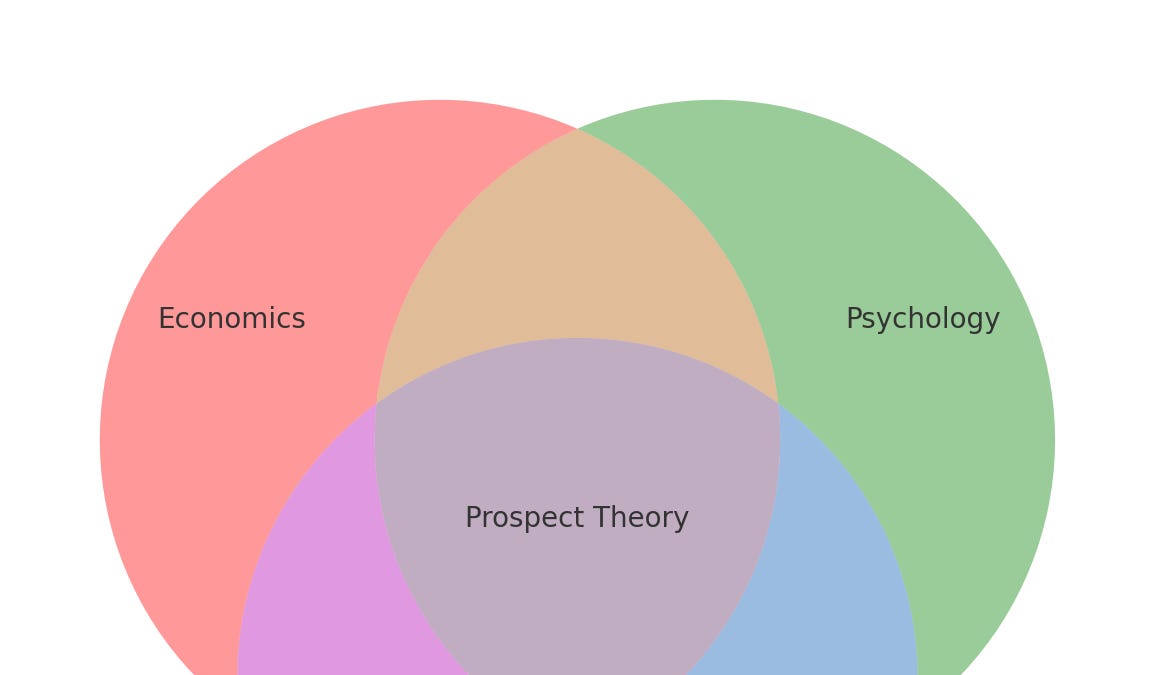
Prospect Theory matters because it gives a more realistic picture of how people often make risky choices. Rather than treating all decisions as purely logical calculations, it recognizes that emotion, perception, and framing strongly influence behavior.
This helps explain patterns such as:
- Risk aversion in gains
- Risk-seeking behavior in losses
- Stronger reactions to losses than equal-sized gains
- Inconsistent decisions based on wording or context
These patterns appear frequently in real human behavior, which is one reason the theory became so important.
Gains, losses, and reference points
A central idea in Prospect Theory is that people evaluate outcomes relative to a reference point rather than only by total wealth or final results. What matters psychologically is often whether an outcome feels like a gain or a loss compared with expectations.
This means:
- The same outcome can feel different depending on context
- People often avoid risk when protecting a sure gain
- People may accept more risk when trying to avoid a loss
The reference point acts like a mental starting line, and much of decision behavior happens around it.
Loss aversion and why it matters
One of the best-known ideas in Prospect Theory is loss aversion. This means that losses usually feel more painful than equivalent gains feel rewarding. In other words, losing something often affects people more strongly than gaining the same amount.
Loss aversion can influence:
- Investment behavior
- Consumer decisions
- Insurance choices
- Negotiation strategies
- Policy responses
This helps explain why people may cling to bad positions, hesitate to realize losses, or overvalue avoiding setbacks.
Risk behavior changes with framing
Another important insight from Prospect Theory is that risk preferences are not fixed. People often change their behavior depending on how choices are framed.
For example:
- Faced with sure gains, people often prefer certainty
- Faced with possible losses, people may gamble to avoid the loss
- Equivalent options can produce different choices if presented differently
This shows that decision-making is highly sensitive to presentation, which is both fascinating and slightly unsettling for anyone who prefers to think they are always perfectly rational.
Applications in real-world decisions
Prospect Theory has been widely used to understand behavior in economics, finance, public policy, and business communication.
It can help explain:
- Why investors hold losing assets too long
- Why consumers respond strongly to discounts or penalties
- Why policy framing affects public response
- Why people insure against some risks but not others
Its practical value comes from showing how human judgment often diverges from idealized rational choice.
Final thoughts
Prospect Theory helps explain how people make risk choices in gains and losses by focusing on framing, reference points, and the stronger emotional impact of losses. It remains one of the most important ideas in behavioral economics because it brings psychological realism into the study of decision-making.
People do not simply calculate choices like machines. Prospect theory matters because it shows how our decisions are shaped by what we fear losing, what we hope to gain, and how the choice is framed in front of us.
Explore our “”Financial“” category for more insightful content!
Don't forget to check out our previous article: Rate Cut: How Lower Interest Rates Impact Savings, Loans, and Market Growth
